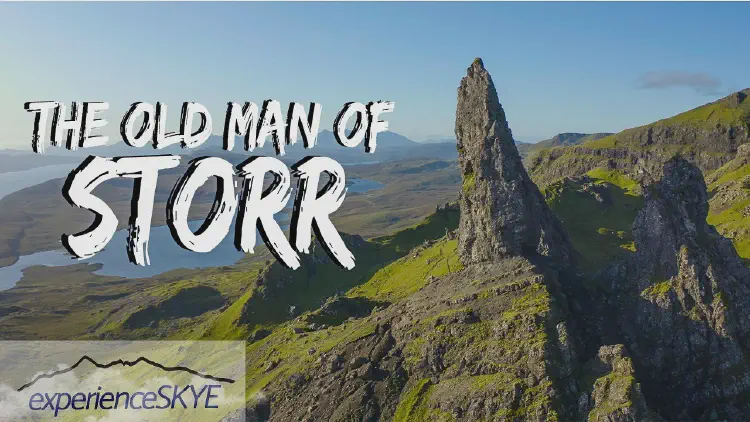
A Hiker's Guide to The Old Man of Storr on the Isle of Skye
The Old Man of Storr stands as one of Scotland's most iconic and breathtaking natural landmarks. This towering pinnacle of rock on the Isle of Skye offers not...
Scotland was made to be walked. Cycled. Cast into. Climbed. The geography that shaped its history (the mountain passes, the island chains, the salmon rivers, the sub-Arctic plateau) is the same geography that makes its outdoor activities genuinely different from anywhere else in Europe, and it shows in how deeply rooted those activities are.
Start with the mountains. Scotland has 282 peaks above 3,000 feet (914 metres), classified by Sir Hugh Munro in 1891 and known ever since simply as Munros. Munro-bagging has its own vocabulary, its own culture, and its own official register (the Scottish Mountaineering Club keeps the tally of everyone who has completed all 282). The highest is Ben Nevis at 1,345 m, the UK’s tallest mountain; the range stretches from the Highlands and the Cairngorms plateau to the islands of Skye and Arran. Some peaks take a long afternoon; others demand full mountain gear and navigation skills. All of them are free to climb.
The walking infrastructure reaches well beyond the summits. The West Highland Way runs 96 miles from Milngavie, on the edge of Glasgow, to Fort William, threading past Loch Lomond, Rannoch Moor and into Glencoe: Scotland’s most-walked long-distance route, and a reliable introduction to what the country actually looks like at walking pace. The Hebridean Way takes a different approach entirely: 185 miles across 10 islands and 6 causeways, from Vatersay in the south to Lewis in the north, with ferry crossings and stone circles and working crofts along the way. These are not just leisure trails. They follow routes that people have used for centuries.
Golf was invented here. The earliest documented games were played in Scotland in the 15th century; King James II banned the sport in 1457 because it was distracting soldiers from archery practice. There are now more than 550 courses in the country, from St Andrews Old Course (the oldest in the world, host to The Open Championship more than any other venue) to remote Highland links where greens fees cost less than a pub dinner. Fishing carries a similar pedigree: the River Tweed and the River Spey are among the most celebrated Atlantic salmon rivers in the world, and Spey casting (a distinctive fly-fishing technique) was developed and named on the Spey itself.
The wildlife still surprises first-time visitors. The Moray Firth near Inverness has the most accessible colony of wild bottlenose dolphins in northern Europe. The Isle of Mull has such a concentration of golden and white-tailed sea eagles that locals call it Eagle Island. Shetland has breeding orcas. The Cairngorms have the UK’s only free-ranging reindeer herd and the country’s rarest breeding birds in the same plateau that also hosts its best mountain biking.
All of it is organized below by activity.
Three activities that together cover the range:
Scotland’s mountain culture centres on the 282 Munros, but it goes well beyond them. The long-distance trails (the West Highland Way, the Great Glen Way along the Caledonian Canal and Loch Ness, the Southern Upland Way’s 214-mile coast-to-coast crossing) give walkers a structured way into the terrain without needing full mountain skills. For those who want the summits: Buachaille Etive Mòr in Glencoe, Schiehallion with its symmetrical outline above Loch Rannoch, and Cairn Gorm on the plateau are good early Munros before committing to Ben Nevis.
Full guides: Hiking and Trekking Routes and Climbing Munros.
The Hebridean Way is the most distinctive cycling route in Scotland and possibly in Britain: islands, ferries, causeways, Atlantic wind, and the gradual revelation of a culture that still speaks Gaelic and cuts peat. The North Coast 500, a 500-mile road loop around the north of Scotland, works for cyclists as well as drivers and covers sea cliffs, sandy beaches and remote fishing villages that most visitors never reach. For mountain biking, the 7stanes centres in southern Scotland offer world-class technical trails, and Fort William hosts the UCI Mountain Bike World Cup on one of the most demanding downhill courses in the sport.
Full guide: Cycling Tours.
Scotland’s best wildlife is often a matter of being in the right place at the right time, and the right place varies considerably. Moray Firth dolphins are visible year-round from the shore at Chanonry Point (no boat needed). The Isle of Mull is the most reliable spot in the UK for white-tailed sea eagles and, increasingly, golden eagles. Shetland and Orkney offer puffins, grey seals and the chance of orca sightings, particularly in early summer. The Outer Hebrides has corncrakes (one of the UK’s most endangered birds) calling from the machair in June. And the Cairngorms in winter has mountain hares in white, red squirrels in the Scots pine, and capercaillie at dawn in the ancient Caledonian forests.
Full guide: Wildlife Watching.
Atlantic salmon fishing in Scotland is a sport with a global following, and the reputation is deserved. The River Tweed (particularly in autumn), the River Spey (where fly-fishers come to learn or perfect Spey casting), and the River Dee (famous for spring salmon runs) are the three great salmon rivers. Loch fishing offers a quieter alternative: brown trout are widespread across Highland lochs, and many estates and fishing clubs offer day permits without requiring advance booking. Sea fishing charters run from Oban and Ullapool for cod, mackerel and pollack in the Minch and the Firth of Lorn.
Full guide: Fishing and Angling.
The five Highland ski resorts (Cairngorm, Glencoe, Nevis Range, Glenshee and The Lecht) are not the Alps: the season runs December to April, conditions depend on Atlantic weather systems, and the resort villages have none of the purpose-built infrastructure of a European ski town. What they have instead is drama. Skiing above Glencoe’s ridgelines, or taking the gondola up Aonach Mòr with Ben Nevis directly across the glen, is an experience with no equivalent in central Europe. Golf is a year-round option. St Andrews, Gleneagles, Royal Dornoch and Carnoustie are the famous names, but with more than 550 courses across the country, including many affordable public links with extraordinary settings, there is no reason to limit a golf trip to the headline venues.
Full guides: Skiing in the Highlands and Golf in Scotland.
Every outdoor activity in Scotland takes place inside one of its natural landscapes: the Munros rise from the Highland glens, the salmon run through the same river valleys where Jacobite armies once marched, and the cycling routes pass stone circles and ruined abbeys. The terrain is at Scotland’s Natural Landscapes.
Many of the long-distance trails and activity hubs pass through or near Scotland’s most significant historic sites: the West Highland Way passes within sight of Stirling Castle, the Borders Abbeys Way threads between four medieval ruins, and the Great Glen route follows the fault line past Urquhart Castle on Loch Ness. More at Scotland’s Castles and Historic Sites.
And most of these activities start from a Scottish city: Glasgow for the West Highland Way and Loch Lomond, Edinburgh for the Borders and East Lothian’s golf links, Inverness for the northern wildlife and Speyside fishing, Fort William as the Highland activity capital. See Scotland’s Cities.
The Old Man of Storr stands as one of Scotland's most iconic and breathtaking natural landmarks. This towering pinnacle of rock on the Isle of Skye offers not...
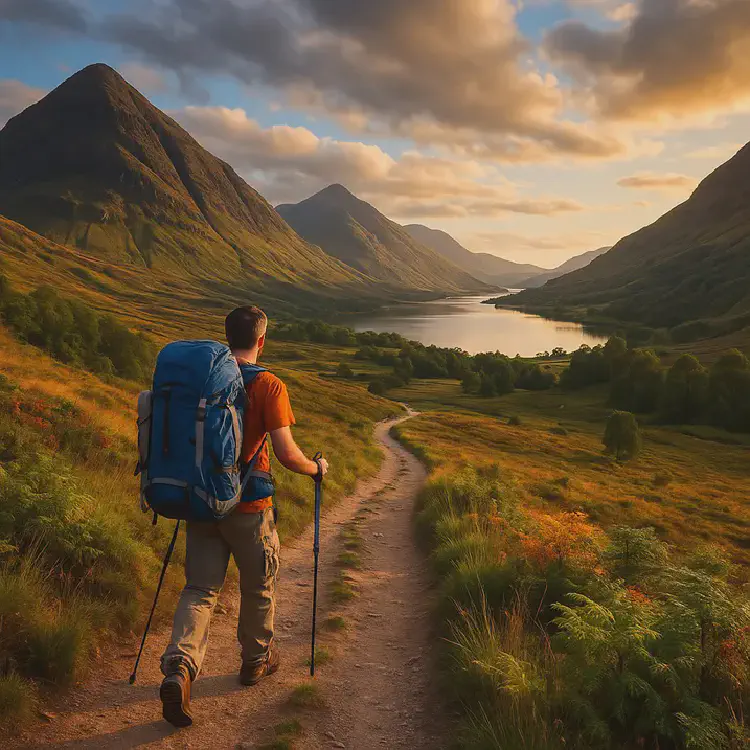
Scotland is a hiker’s paradise, with landscapes ranging from coastal paths to rugged mountains. Its trails offer something for every walker, from gentle strolls to epic long-distance treks.
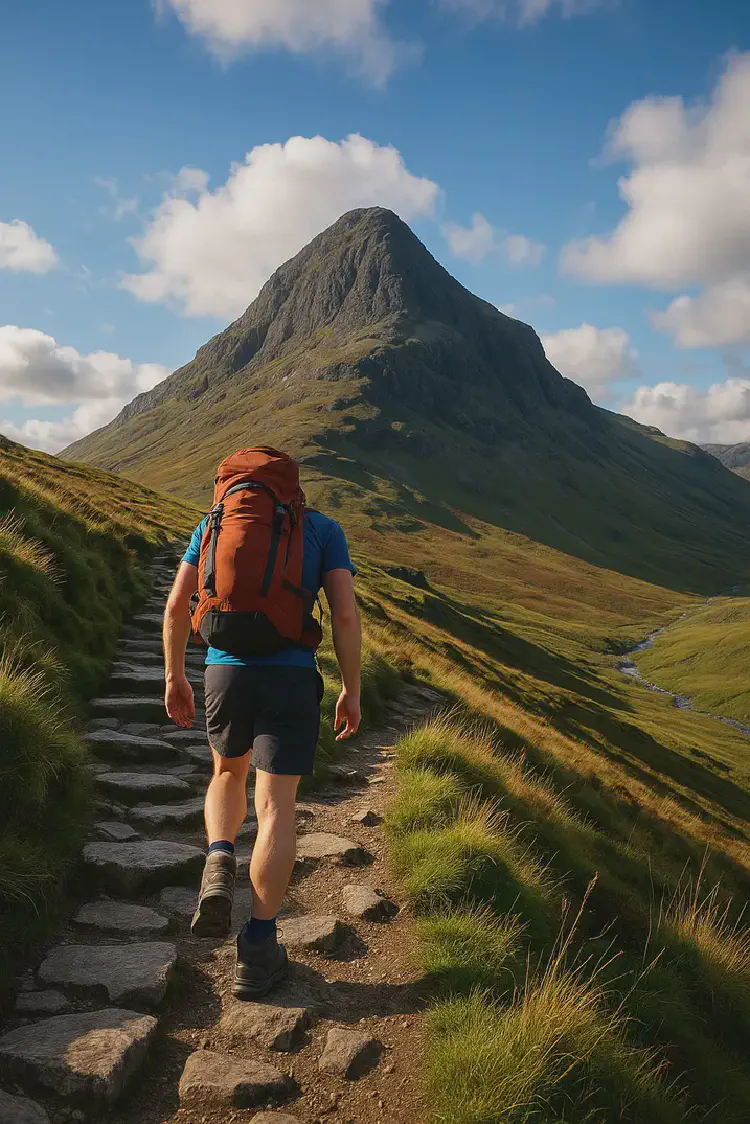
Climbing a Munro is a rite of passage for outdoor enthusiasts in Scotland. With 282 peaks over 3,000 feet, Munro-bagging is both a challenge and a beloved national pastime.
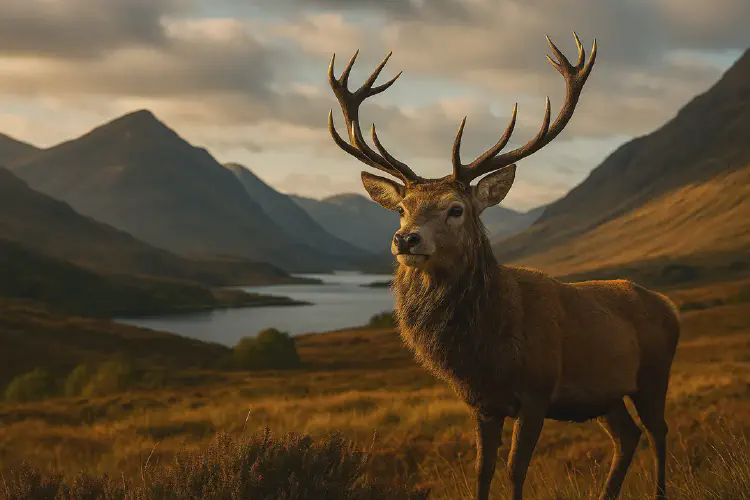
Scotland is a haven for wildlife lovers, offering some of the best opportunities in Europe to see animals in their natural habitats. From soaring eagles to playful otters, its diverse landscapes support a remarkable range of species.
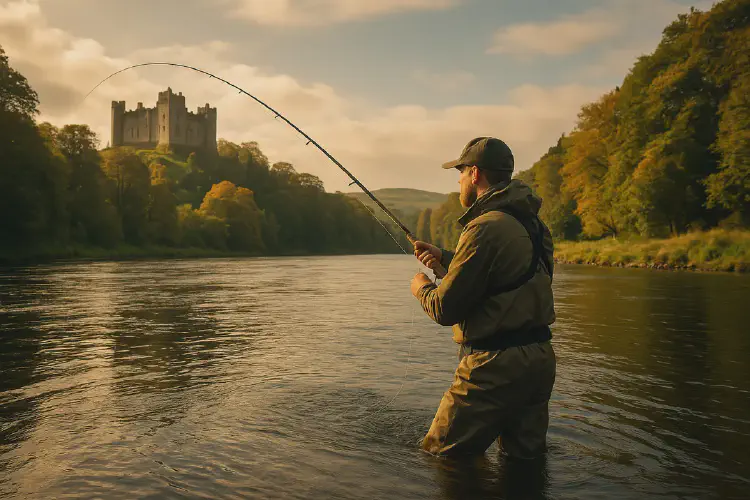
Scotland is world-famous for fishing, offering pristine rivers, lochs, and coastal waters. From salmon angling to sea fishing, the country provides unforgettable experiences for anglers of all levels.
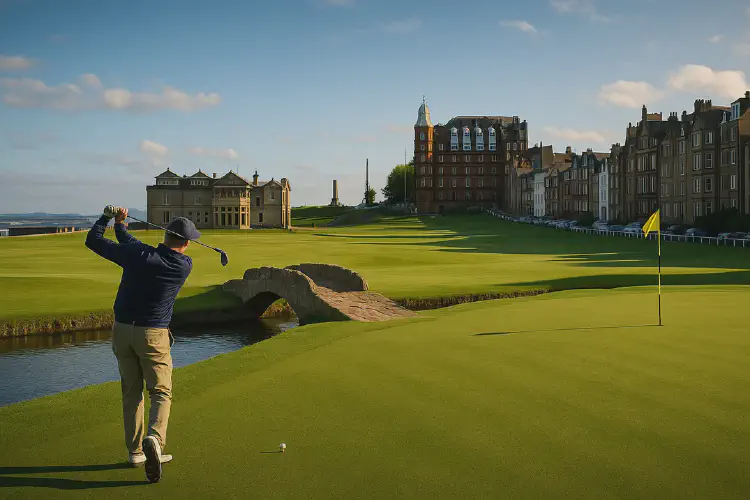
Scotland is the birthplace of golf, with a history stretching back over 600 years. Its courses, from historic links to world-class resorts, make it a dream destination for golfers worldwide.